
orda's team
Feb 24, 2026
A crypto wallet address is a unique string of characters that lets you receive cryptocurrency - like an account number for the blockchain.
But here's what most explanations miss: a wallet address is actually derived from something called a public key. Understanding that distinction is what separates beginners from people who actually know how crypto works.
Let's break it down.
Private Key vs Public Key vs Wallet Address
This is the part most guides skip, but it's the most important.
Your private key is the master password. It's a randomly generated number that controls your wallet. Whoever has this can move your funds. Never share it with anyone.
Your public key is derived from your private key using cryptography. It's safe to share, but you rarely use it directly.
Your wallet address is a shorter, formatted version of your public key. This is what you give people when you want to receive crypto.
Here's a simple way to think about it:
Private key = The key to your house
Public key = Your home's GPS coordinates
Wallet address = Your mailing address
Your mailing address tells people where to send packages. But only the person with the key can open the door and access what's inside.
This is why sharing your wallet address is safe - it only lets people send to you. They can't take anything out without your private key.
Wallet vs Wallet Address
This trips up a lot of beginners.
A wallet is the app or interface you use to manage your crypto - like MetaMask, Coinbase Wallet, or a hardware device like Ledger.
A wallet address is what people use to send funds to you. It's not the wallet itself - it's more like your account number within that wallet.
A single wallet can have:
Multiple wallet addresses
Different addresses for different blockchains
Think of the wallet as your banking app. The wallet address is the account number you share when someone needs to pay you.
How They're Connected
The relationship flows in one direction:
Private Key → Public Key → Wallet Address
Your wallet generates a private key (a random 256-bit number). The private key creates a public key through elliptic curve cryptography. The public key is then hashed and shortened into a wallet address.
You can't reverse this process. Nobody can figure out your private key from your wallet address - the math only works one way.
What Does a Wallet Address Look Like?
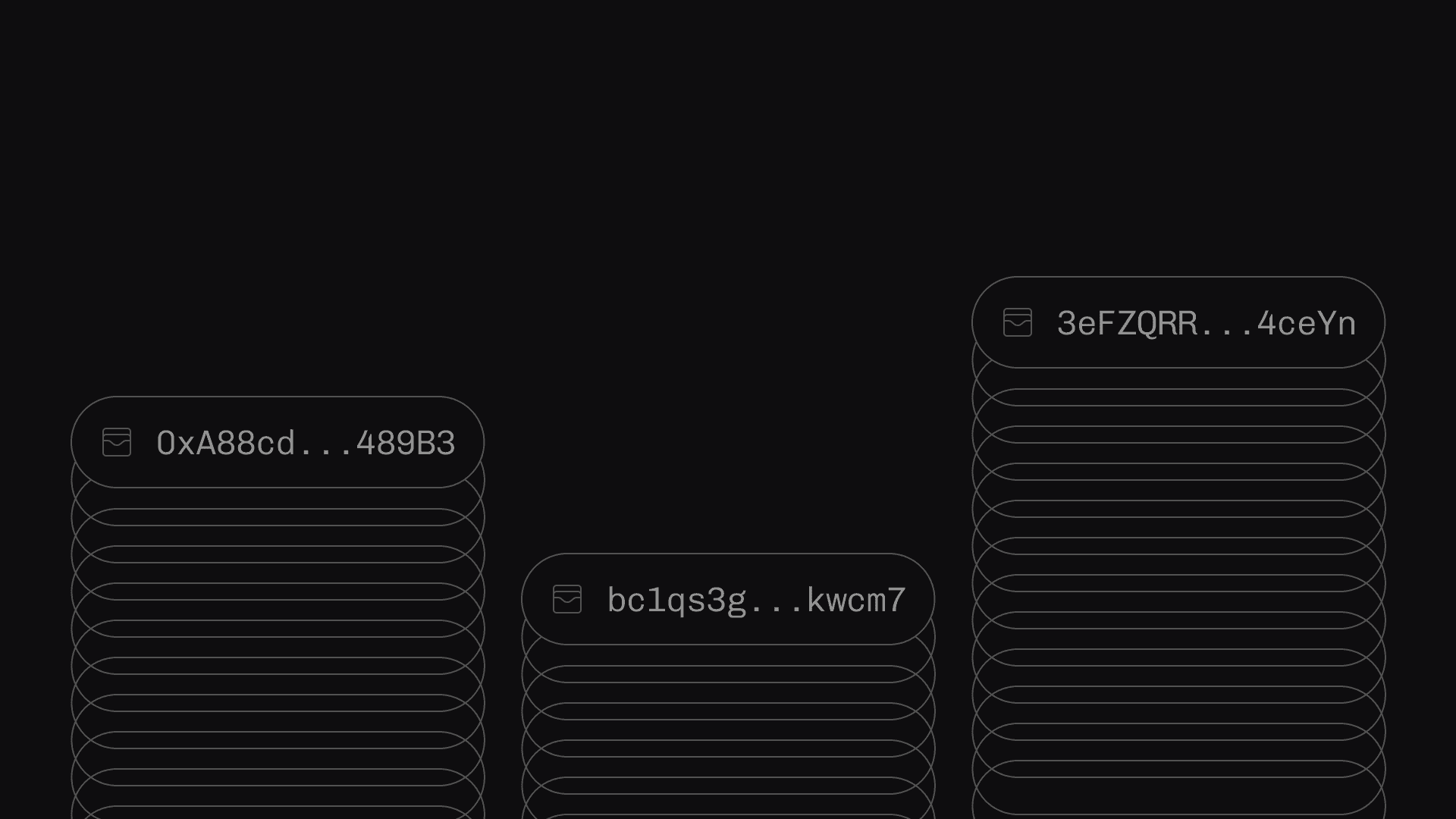
Wallet addresses look different depending on the blockchain:
Ethereum and EVM chains:
0x4b20993Bc481177ec7E8f571ceCaE8A9e22C02db
Bitcoin:
bc1qar0srrr7xfkvy5l643lydnw9re59gtzzwf5mdq
Solana:
7EcDhSYGxXyscszYEp35KHN8vvw3svAuLKTzXwCFLtV
Each blockchain has its own format. You can't natively send Bitcoin to an Ethereum address without bridging technology - they're completely different networks.
Why Accuracy Matters
Crypto transactions are irreversible. If you send funds to the wrong address:
The blockchain will process it anyway
There's no bank to call
The funds are usually gone forever
This is why you should always copy and paste wallet addresses instead of typing them manually. Most wallets also support QR codes to avoid errors entirely.
The Network Mistake That Costs People Money
Here's where beginners lose funds:
You can have the right address but the wrong network.
Example: You want to send USDC to a friend. Their address is 0x4b20... and you send USDC on Arbitrum. But their wallet only supports Ethereum mainnet.
The address looks identical. The transaction goes through. But the funds land on a network they can't access.
Some wallets exist across multiple chains - if yours does, you can usually still access the funds. But if your wallet only exists on one network, those funds may be unrecoverable.
Before every transaction, confirm three things:
The wallet address
The network (Ethereum, Arbitrum, Base, etc.)
The token you're sending
Are Wallet Addresses Public?
Yes - wallet addresses are public by design.
Anyone can see your wallet address, view all transactions to and from that address, and check your balance. This is how blockchains work. Transparency is the tradeoff for decentralization.
What's private is your private key. As long as you keep that safe, your funds are secure. Knowing someone's wallet address doesn't give you any control over their funds.
Common Questions
Can someone steal my crypto if they have my wallet address?
No. A wallet address only lets people send funds to you. They would need your private key to take anything out.
Can I have multiple wallet addresses?
Yes. Most wallets can generate unlimited addresses. Some people use different addresses for privacy or organization.
Do wallet addresses expire?
No. Once created, a wallet address works forever on that blockchain.
What if I lose my wallet address?
Your wallet can regenerate it anytime from your private key or recovery phrase. The address is derived mathematically - it's not stored separately.
Summary
A crypto wallet address is how you receive funds on a blockchain. It's derived from your public key, which is derived from your private key.
Private key: Never share. This controls your wallet.
Public key: Safe to share, but rarely used directly.
Wallet address: Safe to share. This is what you give people to receive crypto.
The key thing to remember: sharing your wallet address lets people send to you. Only your private key can authorize sending funds out.